Frequently asked Questions
If you are looking for an osteopath in Worthing, you may have questions about what osteopathy involves, what happens at an appointment, and whether treatment is right for you.
Below we have answered some of the questions we are most commonly asked at Total Balance Osteopathy below. Please click on the images or links below for more information. If you cannot find what you are looking for, we welcome you to get in touch.
About Osteopathy
Conditons we treat

Treatment
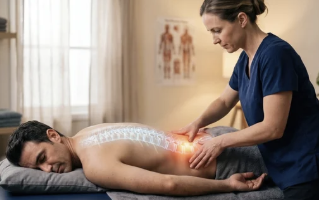
What to expect
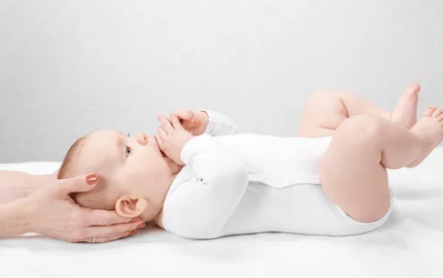
Babies & Children
About Osteopathy
What is Osteopathy and how can it help?
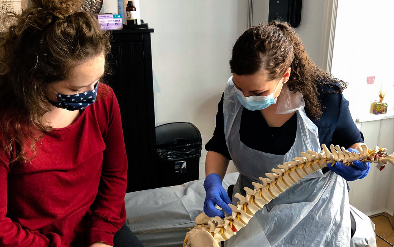
Osteopathy is a hands-on approach to healthcare that focuses on the diagnosis, treatment, and management of musculoskeletal problems, including issues affecting the muscles, joints, and spine.
Osteopaths consider how different areas of the body, as well as posture and movement, may be contributing to your symptoms.
To learn more about osteopathy and the treatments we offer, please visit our 'Treatments' page.
What is cranial osteopathy and is it safe?
Cranial osteopathy is a gentle form of osteopathic treatment that uses subtle hands-on techniques and may be used with adults, babies, and children where appropriate.
As with all osteopathic care, treatment is based on a full case history and assessment and is adapted to the individual.
To find out more about cranial osteopathy and the treatment techniques we use, please visit our ‘Treatments’ page.
Osteopathy, physiotherapy, and chiropractic treatment are all healthcare professions that assess and treat musculoskeletal problems such as back pain, joint pain, and sports injuries. While each profession has its own philosophy and treatment approaches, there can also be a lot of overlap in the techniques and advice used.
Osteopaths look at how the muscles, joints, posture, and movement patterns may be contributing to your symptoms. Treatment may include hands-on techniques, joint mobilisation, soft tissue massage, exercise advice, and lifestyle guidance, depending on your needs.
Physiotherapists often place a stronger focus on rehabilitation and exercise-based recovery, particularly following injury or surgery.
Chiropractors commonly focus on the diagnosis and treatment of spinal and joint-related conditions, often using spinal manipulation techniques.
All three professions work with musculoskeletal problems, and the right approach will depend on your symptoms, preferences, and the type of care you are looking for.
What is the difference between osteopathy, physiotherapy, and chiropractic treatment?
Yes. Osteopaths complete extensive training, typically involving a 4–5 year higher education programmes covering anatomy, physiology, clinical assessment, diagnosis, and osteopathic treatment techniques.
The title “osteopath” is protected by law in the UK and only practitioners registered with the General Osteopathic Council (GOsC) are legally permitted to practice as osteopaths.
Are osteopaths fully trained?
Yes. Osteopathy is a regulated healthcare profession in the UK. Osteopaths are regulated by the General Osteopathic Council (GOsC), which sets standards for training, professional conduct, and patient safety.
All practising osteopaths must be registered with the GOsC and undertake continuing professional development to maintain their registration.
Is osteopathy regulated?
Conditions we treat
What conditions can osteopathy help with?
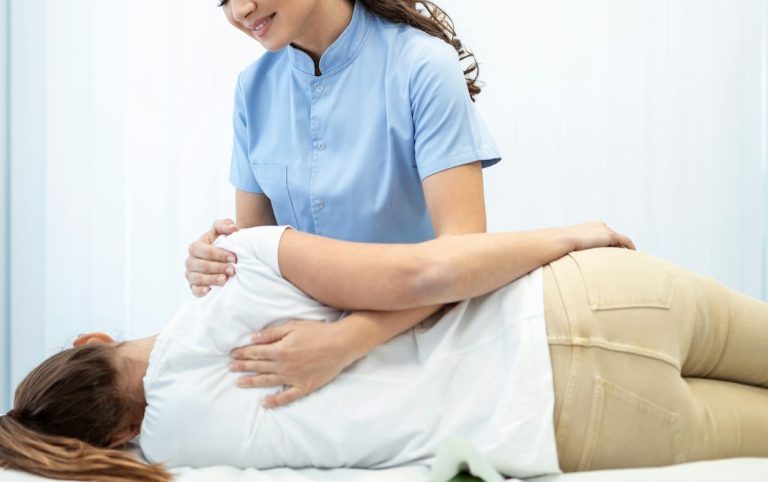
Osteopaths commonly see people with a wide range of muscoskeletal aches, pains and mobility problems.
At Total Balance Osteopathy, osteopathic treatment may be suitable for helping with:
- Osteoarthritis-related joint pain and stiffness
- Lower back pain (lumbago)
- Sciatica
- Shoulder pain and stiffness
- Elbow pain
- Neck pain and tension
- Headaches coming from the neck (Cervicogenic headaches)
- General joint pain and stiffness
- Minor sports injuries
- Muscular tension and postural strain
- Rheumatic aches and pains
All patients are assessed individually, and treatment will be tailored to your symptoms, medical history, and individual needs. If you are unsure whether osteopathy may be suitable for your condition, please feel free to contact the clinic to discuss this before booking.
Can an osteopath help with back pain and sciatica?
Osteopaths commonly see patients with lower back pain and sciatica. Treatment focuses on assessing movement, joint and muscle function, and supporting the management of musculoskeletal symptoms where appropriate.
If we feel your symptoms require further investigation or are not suitable for osteopathic treatment, we will advise you accordingly and, where appropriate, recommend further support from your GP or another healthcare professional.
Can an osteopath help with sports injuries?
Osteopathy may be appropriate for some minor sports injuries and musculoskeletal problems related to exercise, training, and physical activity. Treatment focuses on assessment, supporting recovery, and helping you return to activity as appropriate.
We can also provide advice on rehabilitation, exercise, and activity modification where required.
Osteopathic treatment can be adapted during pregnancy, with techniques chosen to suit the stage of pregnancy and your comfort. Many pregnant patients seek osteopathic care for musculoskeletal symptoms such as back pain, pelvic pain, and postural strain.
If you have any concerns about whether osteopathy is appropriate for you during pregnancy, we welcome you to get in touch before booking.
Is osteopathy safe during pregnancy?
Treatment
Most osteopathic treatment is gentle, though some techniques can feel a little tender, especially if an area is already sore or sensitive. Your osteopath should explain what they are doing and work within your comfort levels throughout the appointment.
Some people may notice mild soreness or stiffness for a day or two afterwards, similar to how you might feel after exercise or an unfamiliar activity.
Is osteopathic treatment painful?
Most pateints tolerate osteopathic treatment well. However, as with many forms of hands-on treatment or physical therapy, some people may experience mild temporary reactions after treatment, such as soreness, stiffness, tiredness, or aching, which can last for 24–48 hours after treatment and on occasion a little longer.
Your osteopath will discuss any concerns with you before treatment and will tailor treatment to the individual and their needs. If you have any concerns following treatment, please don’t hesitate to contact the clinic.
Are there any side effects from osteopathic treatment?
The number of treatments needed varies depending on the nature and duration of your symptoms, your general health and your personal goals.
Some patients need only a few appointments, while others may need a longer course of treatment and rehabilitation. Your osteopath will discuss this with you after your assessment and review your progress as needed.
Your osteopath may also recommend stretches or exercises between appointments and will advise you when to begin these.
How many osteopathy treatments will I need?
Yes. Some people book osteopathy because they feel stiff, restricted, out of balance or uncomfortable rather than being in clear pain. Others come in for advice about posture, movement, or recurring musculoskeletal niggles and simply want support with general maintenance.
Your osteopath can assess how you are moving, talk through any concerns, and advise whether treatment or self-management advice may be appropriate.
Can I have osteopathy even if I’m not in pain?
If your symptoms have eased before your appointment, it can still be useful to attend so your osteopath can see how things are settling and advise you on what to do next.
Should I still attend my appointment if my pain has improved?
What to expect from your osteopathic appointment
Your appointment will usually begin with a discussion about your symptoms, medical history, lifestyle, and general health, followed by an examination and assessment relevant to your condition.
If appropriate, treatment may then be carried out during the same appointment.
You can find more information about first appointments, follow-up sessions, examinations, and treatment processes on our What To Expect page.
What happens at an osteopathy appointment?
We recommend wearing comfortable clothing that allows you to move easily, such as loose-fitting clothing, leggings, shorts, or a vest top where appropriate.
Depending on the area being examined or treated, you may be asked to remove some outer layers of clothing, but this will always be explained clearly, and your comfort and privacy will be respected at all times.
Our ‘What To Expect’ page includes further information about clothing recommendations and what to expect during your appointment.
What should I wear to my appointment, and will I need to undress for osteopathic treatment?
Yes. You are welcome to bring a friend, family member, or chaperone with you to your appointment if you would feel more comfortable doing so.
For more information about attending with someone else or our chaperone policy, please visit our ‘What To Expect’ page.
Can I bring someone with me to my appointment?
No, you do not need a GP referral to see an osteopath. Osteopaths are primary healthcare professionals trained to assess and diagnose musculoskeletal conditions.
If we feel your symptoms require further medical investigation, we may recommend that you contact your GP or another healthcare professional.
Do I need a GP referral to see an osteopath?
We do not carry out X-rays or MRI scans at Total Balance Osteopathy.
However, if further investigations are considered appropriate, your osteopath can discuss referral options with you, either privately or via your GP.
Imaging is not always necessary for musculoskeletal pain, and your osteopath will advise you if they feel further investigation may be helpful based on your symptoms and clinical assessment.
Depending on what they find, they may suggest treatment, exercises, or simple advice to help you manage things and reduce the chance of the problem returning.
If you are unsure whether to attend, please feel free to contact the clinic before your appointment.
Do you take X-rays or MRI scans?
Everyone responds differently to treatment, so your osteopath will advise you on what may be most appropriate for you after your appointment.
In general, it can be sensible to take things a little easier for the rest of the day where possible, stay hydrated, and avoid strenuous exercise, such as gym workouts or long runs, for around 24 hours after treatment.
If you are returning to work, regular breaks from prolonged sitting may also help.
What should I do after osteopathic treatment?
Babies & Children
Yes. Osteopathic treatment for babies and children is very gentle and always adapted to the child’s age, stage of development, and individual needs following a full case history and assessment.
Parents may choose to bring babies, children, or teenagers for musculoskeletal concerns, movement issues, or postural problems.
If you are not sure whether osteopathy is appropriate for your child, we welcome you to get in touch before booking.
Can babies and children receive osteopathic treatment?
Some parents choose to bring their baby for advice after a difficult or assisted birth, such as a forceps or ventouse delivery, breech birth, caesarean section, or a particularly fast or long labour. This may be to discuss any musculoskeletal concerns they have noticed or to ask whether an osteopathic assessment would be appropriate.
Cranial osteopathy for babies uses very gentle hands-on techniques, and any care is based on a full case history and assessment. If you have concerns about your baby’s health, feeding, development, or anything that feels outside normal musculoskeletal care, it is important to speak to your GP, midwife, health visitor, or paediatric team as well.
If you are unsure whether osteopathic treatment would be appropriate for your child, we welcome you to contact us before making a booking.
My child had a difficult birth -should I consider cranial osteopathy?
Cranial osteopathy for babies uses very gentle hands-on techniques. Babies can respond differently after an appointment, and if you have any concerns afterwards, please contact the clinic or seek medical advice as appropriate.
If your baby seems unwell, or if you are worried at any point, you should seek advice from an appropriate medical professional.
Are there any side effects from cranial osteopathy for babies?
Practical Information
Total Balance Osteopathy is based in a quiet residential area in East Worthing, West Sussex.
Full clinic details, directions, and parking information can be found on our ‘Contact Us’ page.
Where is our osteopathy clinic based?
Total balance Osteopathy is currently open for appointment bookings on the following days as Shani has commitments in other clinics.
Monday: Mornings
Tuesday: Mornings
Friday: Afternoons
Saturdays by appointment only
Please use the booking form on our Book Now page to see available appointments.
All other times are by appointment only. Please contact us if you condition is urgent and we will try to accommodate you.
When is the clinic open?
Yes. Free off-road parking is available directly outside the clinic for patients for the duration of their appointment.
The clinic is accessed via a small step. Toilet facilities are available on site and are accessed via a short outdoor paved pathway adjacent to the clinic, which includes two separate small steps.
If you have any mobility or accessibility concerns, please contact us before your appointment and we will be happy to discuss these with you.
Further parking information and alternative transport options can be found on our Contact Us page.
Is parking available and is the clinic accessible?
You can book online using our booking system on the ‘Book Now’ page, or by contacting the clinic by phone or email. Please find these details on our 'Contact Us' page.
If you are not sure whether osteopathy is right for you, we are happy to answer questions before you book.
How do I book an osteopathy appointment?
As individual policies and levels of cover vary, please check with your insurer before booking to confirm that osteopathic treatment is covered under your policy and whether you require an authorisation number or GP referral.
Please also contact the clinic before your appointment to confirm that we are recognised by your insurance provider and, where applicable, provide your membership or policy number and authorisation number.
We do not invoice or claim payment directly from insurance companies. Payment is made to Total Balance Osteopathy, and you will be provided with a receipt to submit to your insurer for reimbursement.
Please be aware that fees, levels of cover and excess payments may vary depending on your insurer and individual policy.
For a list of the private health insurance providers we are registered with, please see our Prices page.
Will my private health insurance cover my treatment?
If you need to cancel or rearrange your appointment, please contact the clinic as soon as possible by calling 07471425304, emailing info@totalbalanceosteopathy.co.uk, or by using the cancellation link in your appointment confirmation email.
We kindly ask for at least 24 hours’ notice, as this gives us the opportunity to offer the appointment to another patient.
Cancellations or rearrangements made with less than 24 hours’ notice, and missed appointments, will be charged at the full appointment fee.
For full details, including information about New Patient Appointment deposits and refunds, please see our Cancellation Policy.
What if I need to cancel or rearrange my appointment?
If you are unsure if osteopathy is right for you do not hesitate to give us a call on 07471 425304. We are more than happy to discuss any concerns or questions over the phone before booking in for an appointment.
Alternatively get in touch with us using the options on our contact us page.